How to organize your budget when income varies: a practical method for self-employed and freelancers

If your income changes month to month because you work as a self-employed professional, freelancer, or micro-entrepreneur, this article offers a practical method to organize your budget and reduce financial anxiety. I’ll present a decision flow: calculate a minimum income floor, separate essential bills, allocate provisions for taxes and weaker months, without promising individual results.
The guidance here is general in nature. For personalized recommendations, consider consulting an accountant or a financial planner. Rules for public programs, limits and procedures change — consult the official sources listed at the end for up-to-date details.
Overview of the method
The method rests on four pillars: 1) determine a minimum acceptable income floor; 2) prioritize and categorize expenses; 3) create provisions for taxes and variable expenses; 4) build reserves for weaker months. Below are practical steps and a checklist for implementation.
Practical steps
- Calculate your income floor: add up your essential monthly expenses (housing, basic food, essential fixed bills and minimum transportation). The total is your floor — the minimum amount needed to maintain a basic standard of living. This is an operational, personal reference, not a one-size-fits-all number.
- List and prioritize expenses: split expenses into “essential,” “mandatory variable,” and “discretionary.” Essentials = bills that affect housing, food, energy, water and transportation. Mandatory variable = inputs needed to deliver services, professional subscriptions, and tax provisions. Discretionary = leisure and upgrades.
- Keep a separate account for taxes and contributions: when you receive payment, transfer a predefined percentage to a separate account reserved for taxes and charges. We won’t specify rates here; for official rules and guidance on tax obligations for micro-entrepreneurs and the self-employed, consult the Portal do Empreendedor and the Banco Central’s materials on financial citizenship.
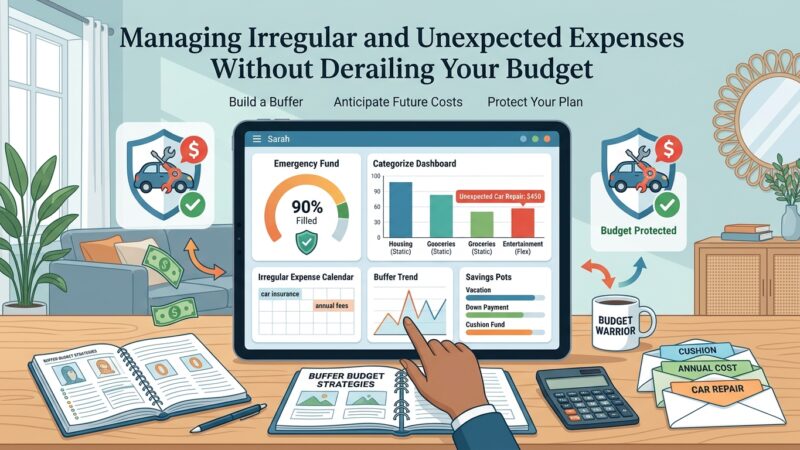
- Build a buffer for weak months: estimate how many months you want to cover (for example, 2–6 months) using your income floor and save gradually. A simple strategy: in high-income months, direct part of the surplus toward this reserve.
- Adopt a receivables allocation system: when you receive money, split it immediately according to fixed rules (for example: X% for operating expenses, Y% for tax provisions, Z% for reserves). Adjust the percentages to match your reality.
- Review monthly: compare income and allocations against your floor and adjust priorities before bills become overdue.
Practical tools
- Use a separate account or subaccounts for reserves (savings or a digital account). Do not mix provisions with everyday spending.
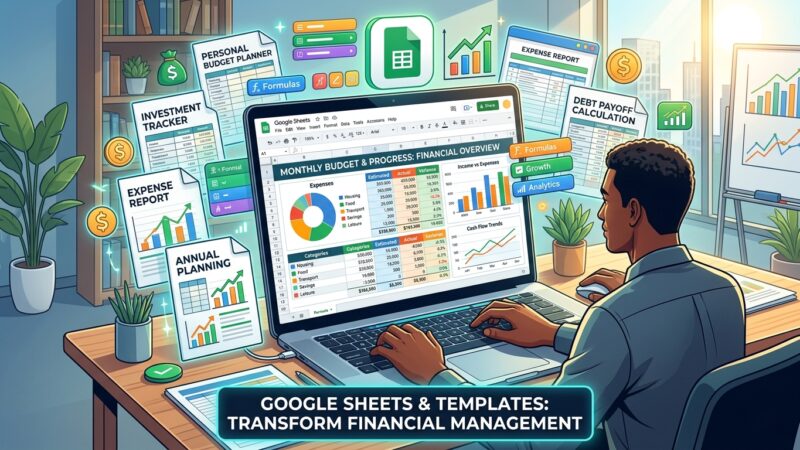
- Record receipts and expenses in a simple spreadsheet or a finance app.
- Negotiate due dates and installment plans when necessary, always prioritizing essentials.
Quick checklist
| Item | Priority | Action |
|---|---|---|
| Determine income floor | High | Add up essential monthly expenses |
| Tax account | High | Set aside % of receipts in a subaccount |
| Reserve for weak months | Medium | Allocate part of surplus revenues |
| Cash flow tracking | Medium | Record inflows and outflows weekly |
Common mistakes to avoid
- Failing to separate tax provisions: leaving taxes until the last minute can create cash shortfalls and fines.
- Confusing revenue with available profit: spending all received amounts on expenses can deplete necessary reserves.
- Not reviewing the income floor: essential expenses change over time; update your calculation regularly.
- Keeping reserves in hard-to-access instruments for immediate emergencies — evaluate liquidity.
Limits and risks
This method helps organize cash and reduce perceived volatility, but it does not eliminate the risk of demand decline nor guarantee future income. Provisioning strategies and separate accounts can help mitigate revenue shocks, but they require discipline. For guidance on legal obligations and support programs, consult official sources: the Banco Central maintains financial citizenship materials and the Portal do Empreendedor provides information about formalization and taxes.
Menus, limits and procedures on those sites may change; check updates directly on the official websites.
Frequently asked questions
- How do I decide what percentage to set aside for taxes? General answer: calculate your tax liability with your accountant or consult official guidance; in the meantime, choose a conservative percentage and adjust once you know the exact amount.
- What if I have very high-income months and want to increase investments? Prioritize completing the reserve for weak months and the tax provisions before allocating funds to long-term investments.
- What’s the difference between an emergency fund and a reserve for weak months? An emergency fund covers unexpected events (health, accidents). A reserve for weak months covers the natural variability of income. Both can be complementary.
- Should I register as MEI or choose another tax regime? General information: formalization depends on revenue volume, activity and goals. For official guidance on formalization and tax regimes, consult the federal government’s Portal do Empreendedor.
Sources and updates
Content is based on personal financial management practices and institutional guidance. Check the official sources for procedures and up-to-date information:
This content is informational and does not replace individual professional advice.

Michael Rowan is a dedicated writer and researcher specializing in Personal Finance and Investments. With a passion for helping individuals make smarter financial decisions, he creates informative and practical content designed to simplify complex financial topics.